Oslo: The Green City of Fjords
Vigeland Sculpture Park: A Reflection on Humanity
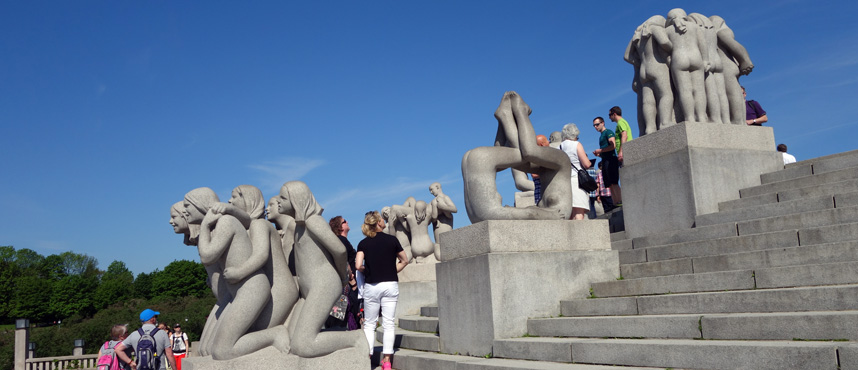
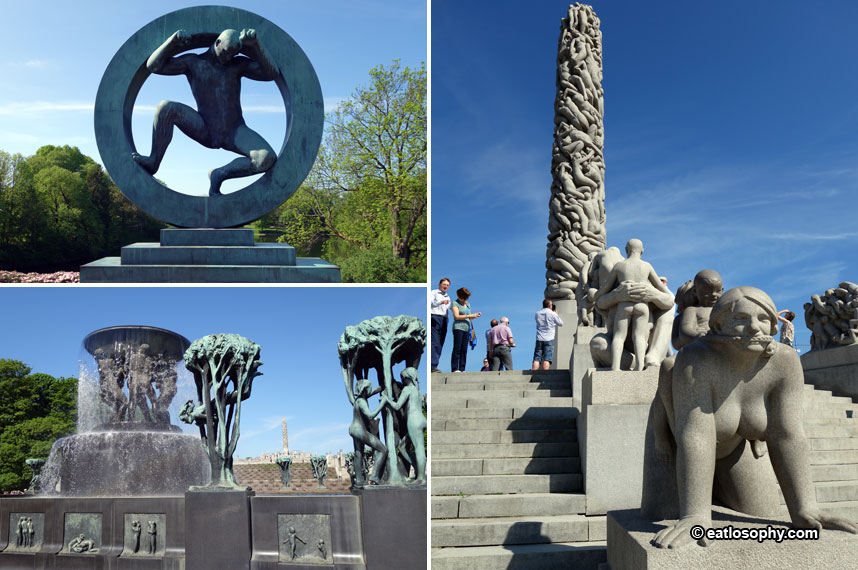
Oslo’s Vigeland Sculpture Park, part of the larger Frogner Park, is not merely an outdoor exhibition but a profound journey through the human condition, meticulously crafted by Gustav Vigeland. This extraordinary collection, comprising over 200 sculptures in bronze, granite, and wrought iron, is the world’s largest sculpture park by a single artist and stands as a testament to Vigeland’s life’s work.
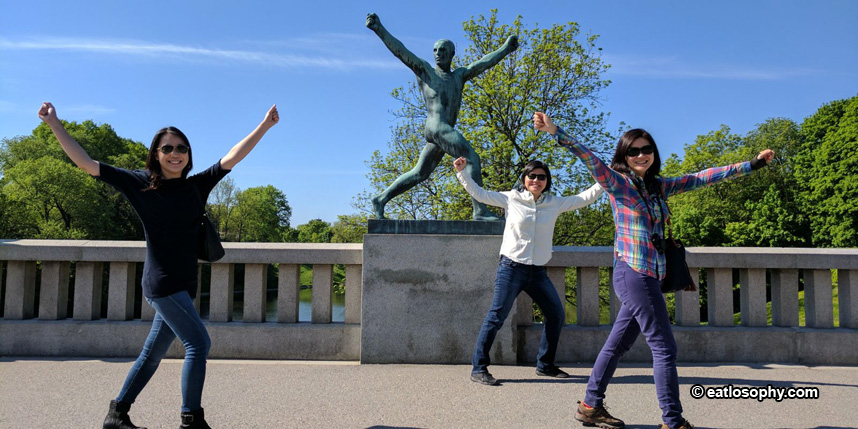
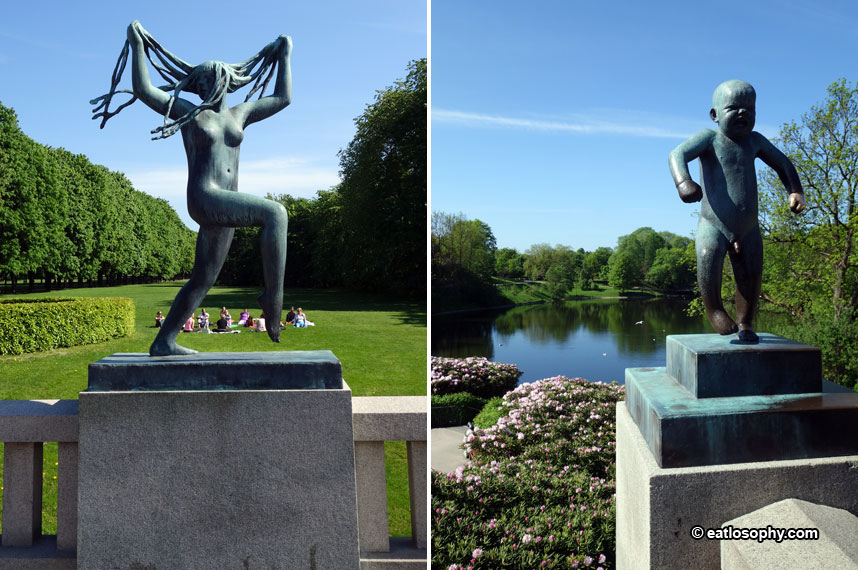
We had exceptionally good weather while in Oslo. We were actually here looking for the ‘Angry boy’ (Sinnataggen) and found out this place was very interesting. The sculptures were excellent and took you through the human emotions of life from birth through death.
The Human Saga in Stone
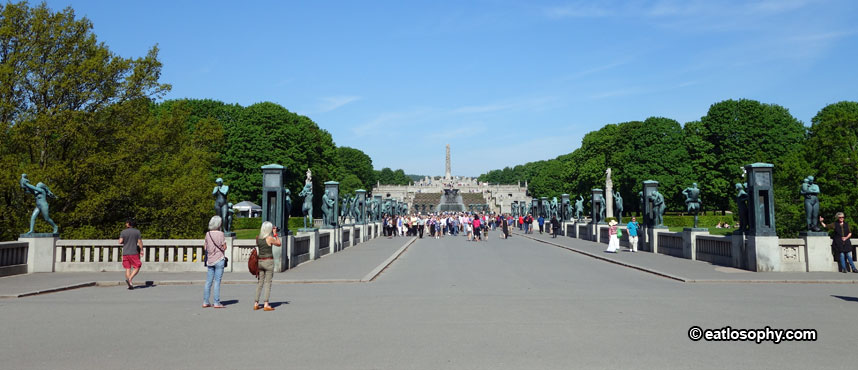
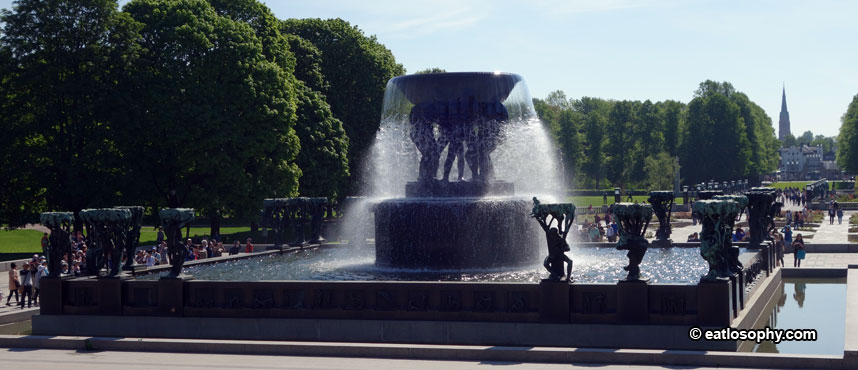
Walking through the park is an immersive experience, with sculptures depicting a vast array of human emotions and life stages: from birth and childhood to adolescence, adulthood, old age, and death. The famous “Monolith,” a towering granite column intricately carved with 121 human figures striving upwards, is particularly awe-inspiring, representing the universal yearning for spiritual connection. Another iconic piece, “The Angry Boy,” captures a raw, relatable moment of childhood frustration. The bridge, with its lively bronze figures, including the famous Angry Boy, sets a dynamic tone, while the fountain’s circular arrangement symbolizes the cycle of life. The sheer scale and detail of the work are astounding, inviting contemplation on existence, relationships, and our place in the world. It’s an essential visit for anyone seeking both artistic inspiration and a unique cultural experience in Oslo.


Viking Ship Museum
We took the ferry over to Bygdoy (about 15 minutes). The Viking Museum was easily accessible via the ferry boat on the city waterside, with just a short walk to the museum from the docking point on the other side of the bay.
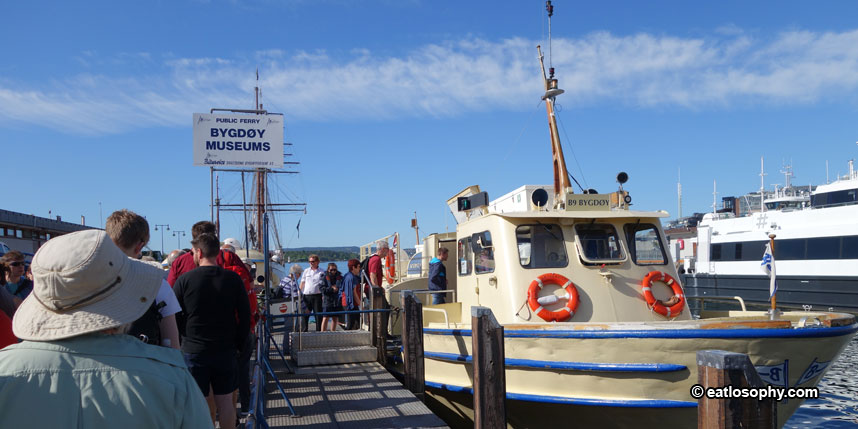
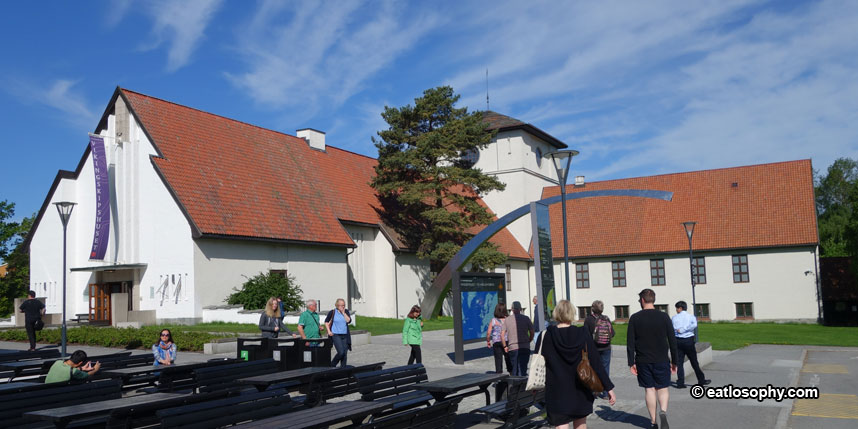
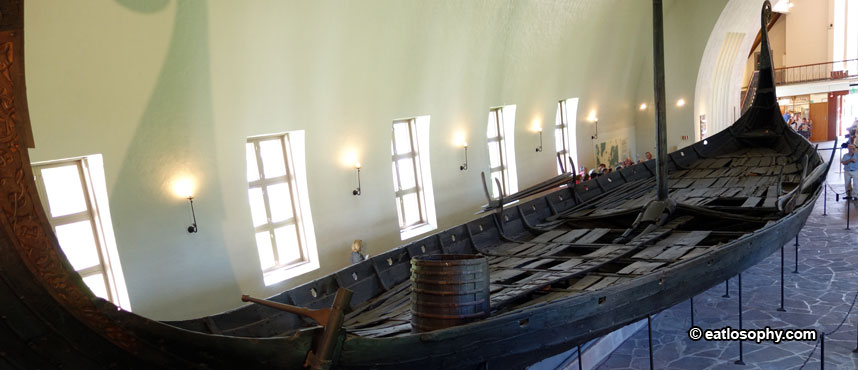
The Viking Ship Museum contained 3 ancient Viking ships over 1100 yrs old along with multiple artifacts found with them. Only place where you can see a real viking ship from the 900s. The museum was not big, which made it very manageable.
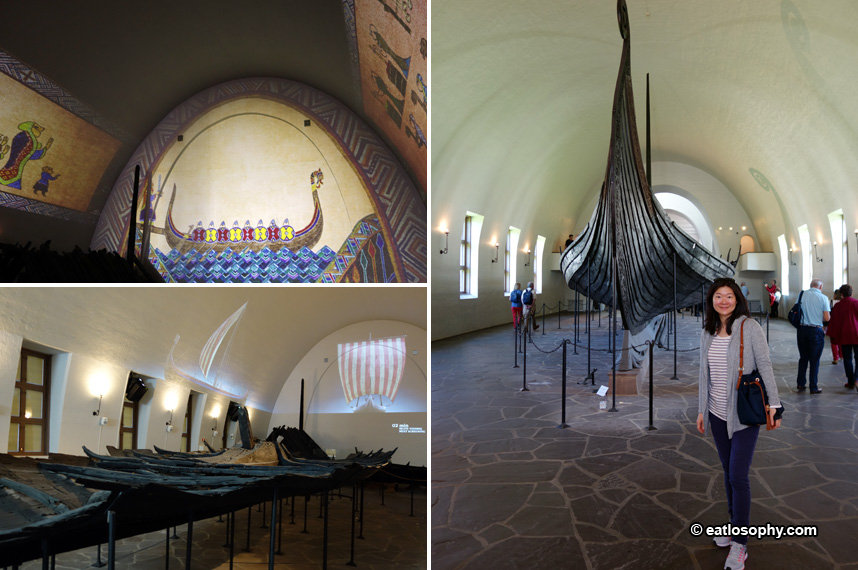
The Norwegian Folkesmuseum
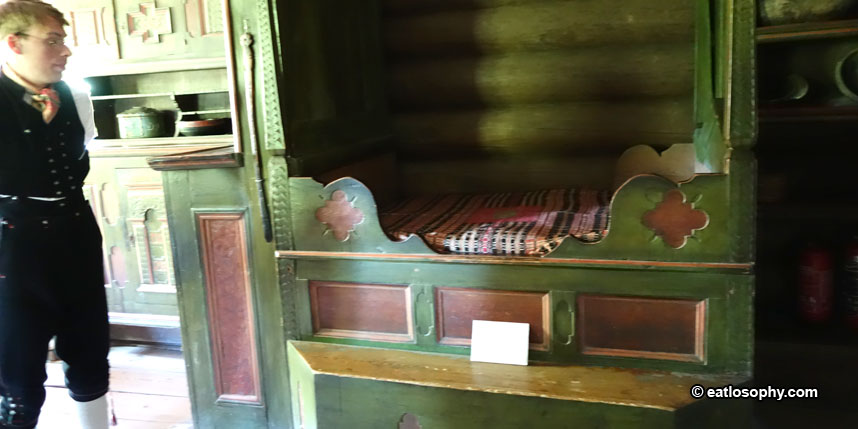
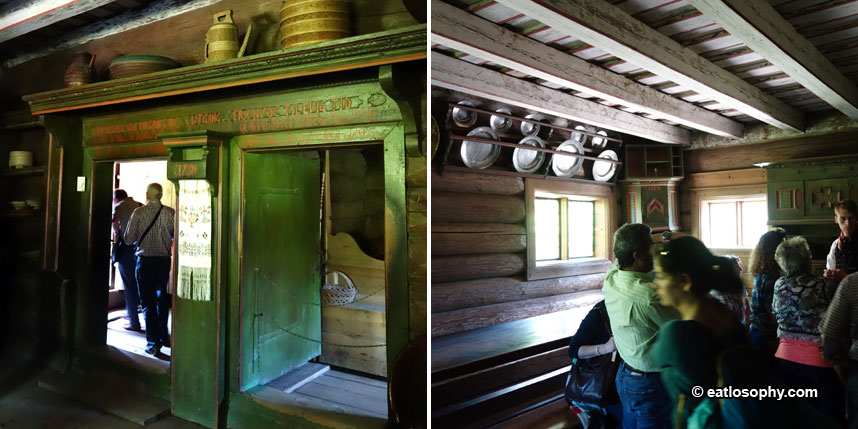
The Norwegian Folkemuseum, located on the Bygdøy peninsula in Oslo, offers a captivating journey through Norway’s cultural history. As one of the world’s oldest and largest open-air museums, it features over 160 buildings meticulously relocated from different regions of Norway, showcasing architectural styles and living conditions from various periods.
We walked about 5 minutes from the Viking Ship museum to the Norwegian Folk Museum. The museum was an outdoor collection of historic buildings and villages. It showed how Norwegians used to live from medieval times until quite recently.

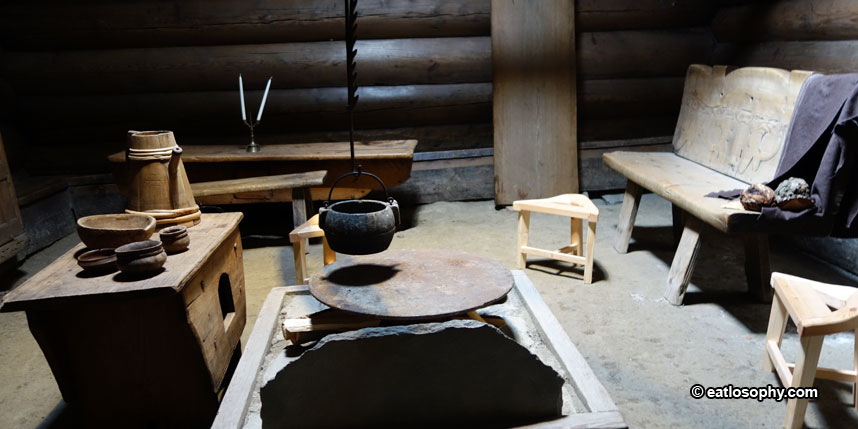
The Norwegian Folkemuseum: A Walk Through History
Stepping into the museum feels like traveling back in time. You can explore traditional farmsteads, urban houses, and even a magnificent 13th-century stave church from Gol, which stands as a central highlight. Each building tells a story, often furnished to reflect the era it represents, providing a vivid glimpse into daily life, crafts, and traditions. Beyond the open-air exhibits, indoor displays delve deeper into Sami culture, traditional costumes, folk art, and historical artifacts. The museum frequently hosts demonstrations of traditional crafts and activities, especially during summer, bringing history to life. It’s an enriching and immersive experience, perfect for families and anyone interested in understanding Norway’s rich heritage and the evolution of its society.

Really interesting and well presented collection that gave a sense of life in rural Norway through the years. Don’t miss the awesome Stave Church.
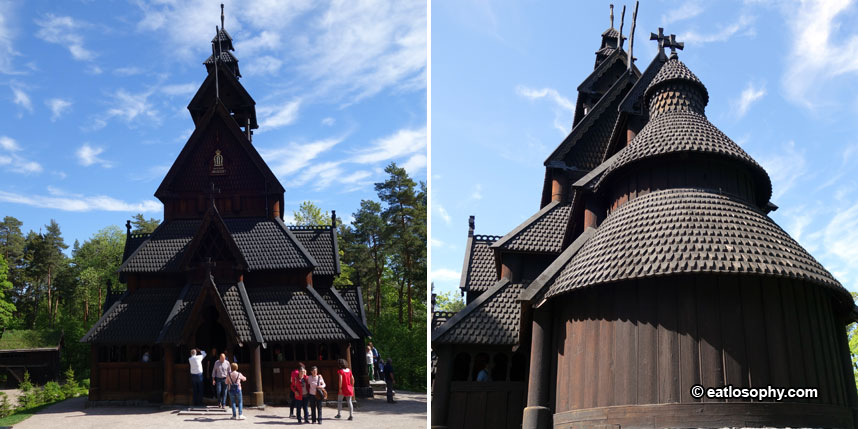
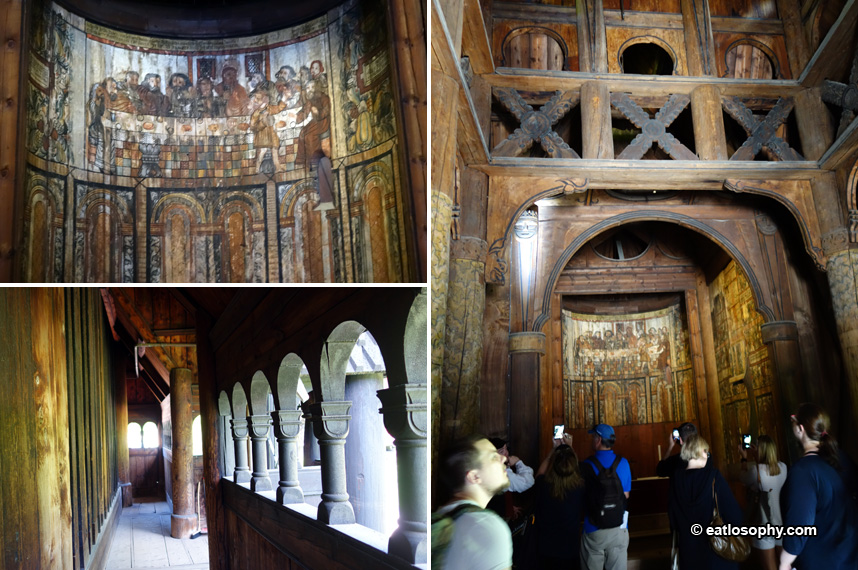
The Royal Palace
Beautiful palace and grounds. Changing of the guard takes place at 1:30 every afternoon. There is no gender requirement for being a guard.
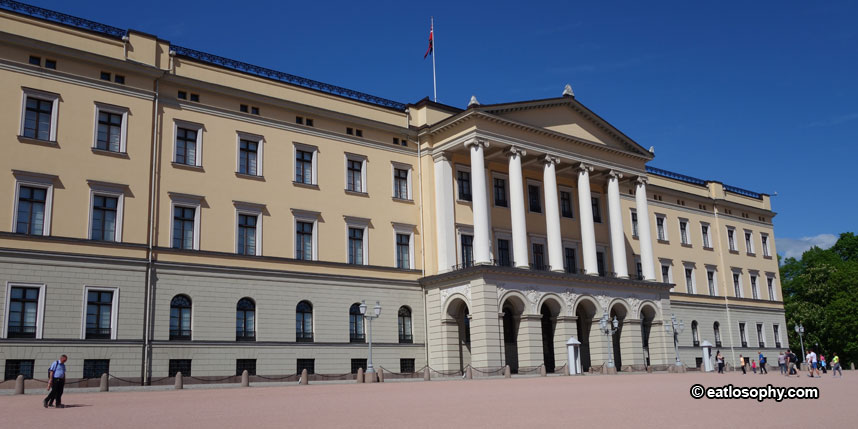
The mounted guards lead a parade of marching guards and a full band up the Karl Johans Gate from Akershus Fortress to the palace. Once they reach the front of the palace, they perform a little concert and go through their military routine.
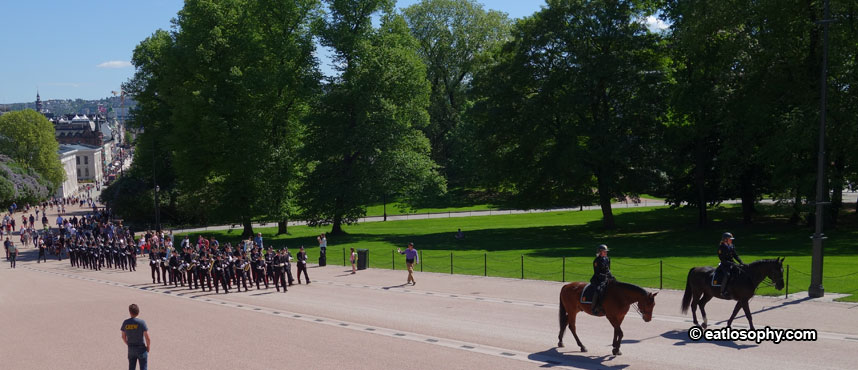
One of the guards passed out. Amazing how they can stay so official looking despite the sun beaming down and dozens of people taking photos of their every move.
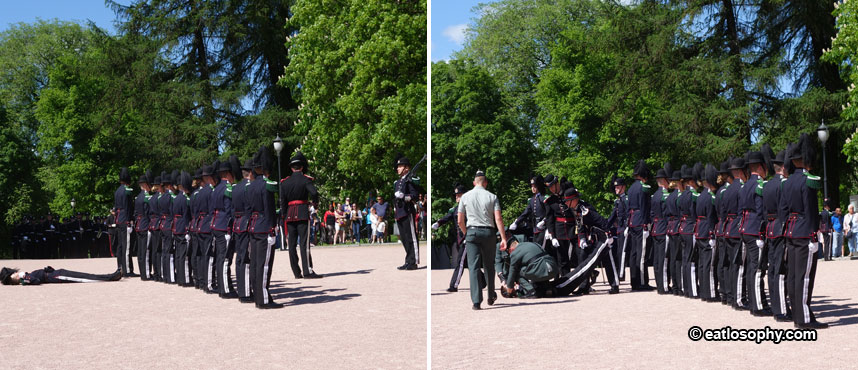
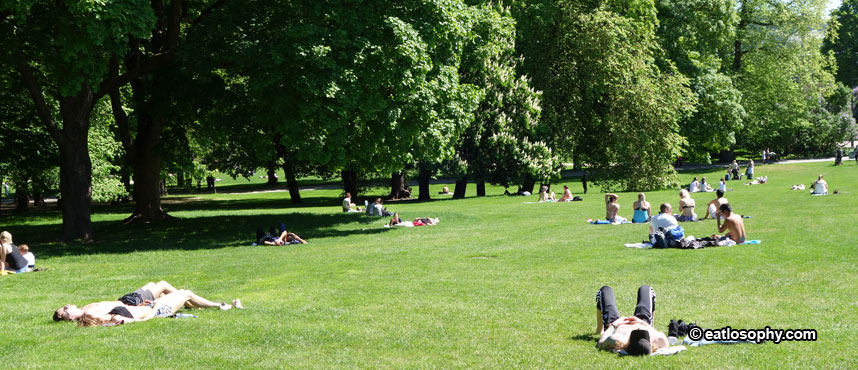
The weather was beautiful when we visited. Lots of people were basking in the sun.
National Museum
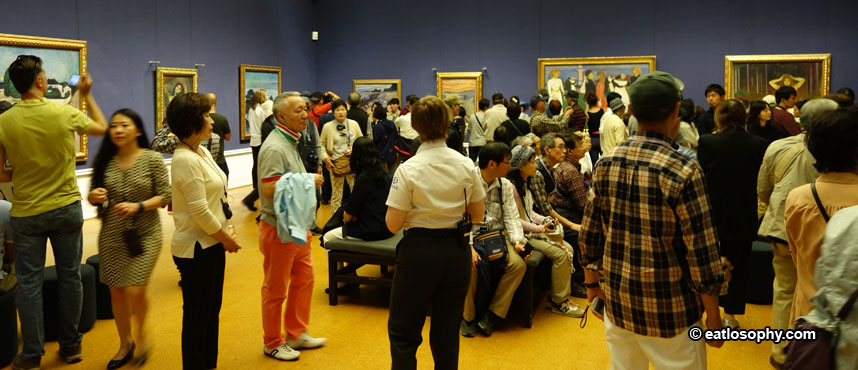
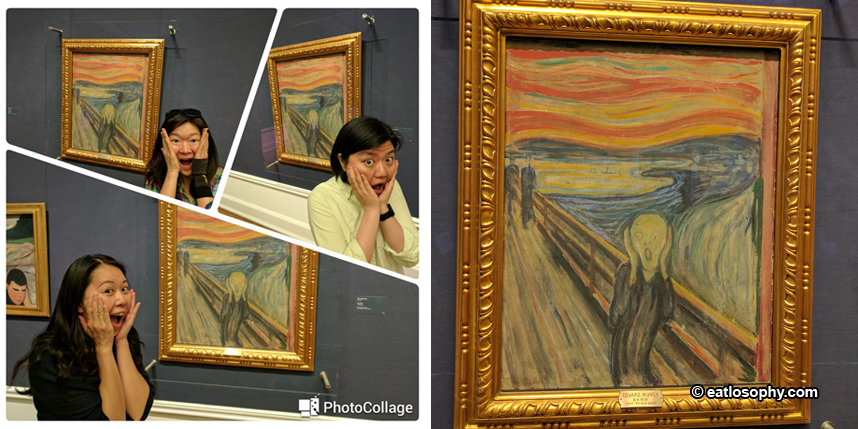
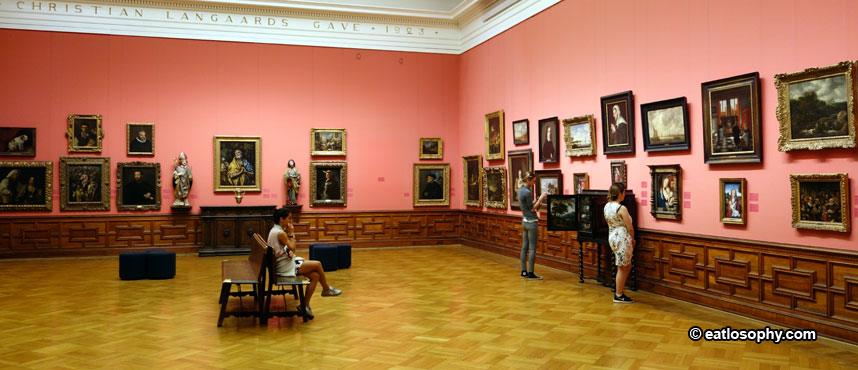
We wanted to see Edvard Munch ‘The Scream’. If you are a Munch fan, you are in for a treat as a lot of his works are here. The Scream is obviously a hugely famous work of art and it was great to see it up close.