Rausu: Where Giants of the Sea Roam
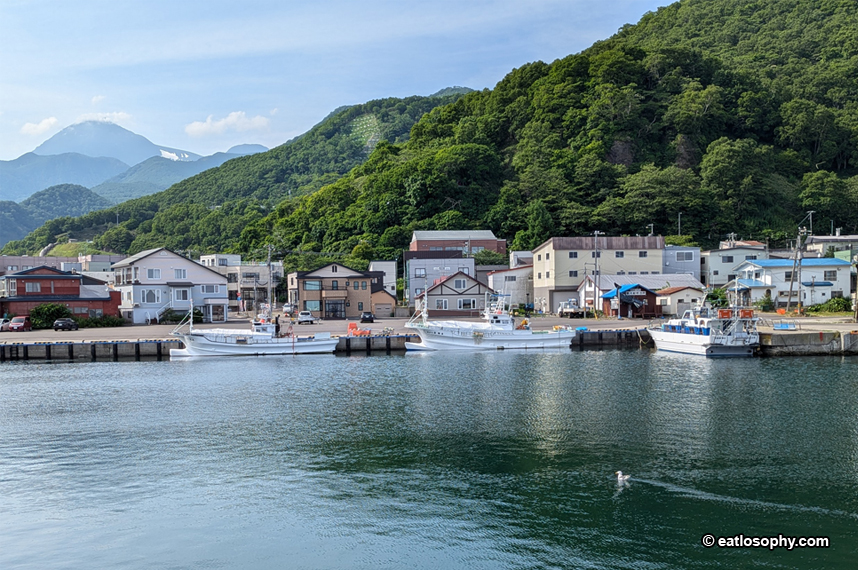
Rausu (羅臼) is a town in Hokkaido, Japan, known for its stunning natural beauty and abundant marine life. I’ve always dreamed of seeing whales in the wild, and Rausu seemed like the perfect place to make that dream a reality. It's an experience I knew I couldn’t miss.
Embark on an Unforgettable Whale Watching Adventure
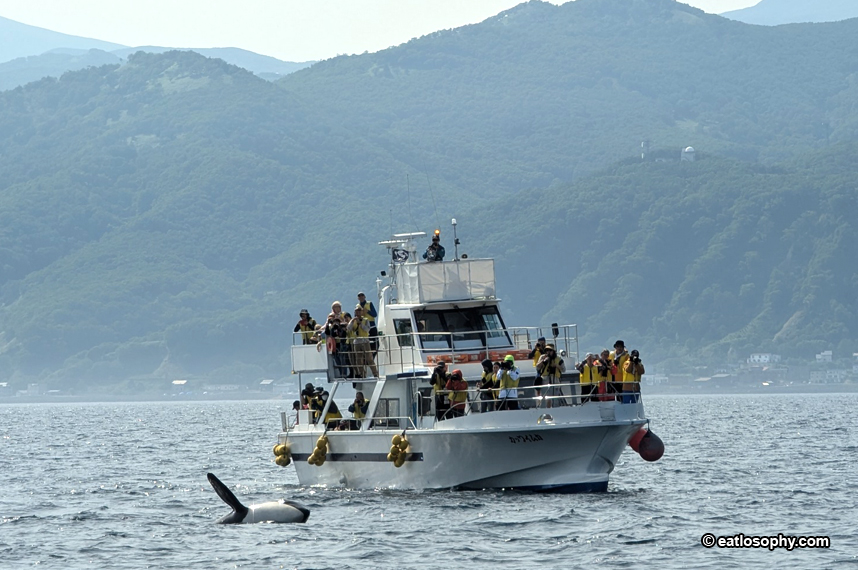
Discover the magic of the ocean as you embark on a thrilling whale watching expedition in Rausu, Hokkaido. Renowned as one of Japan's premier destinations for marine wildlife encounters, Rausu offers unparalleled opportunities to witness these magnificent creatures in their natural habitat.
A Killer Encounter
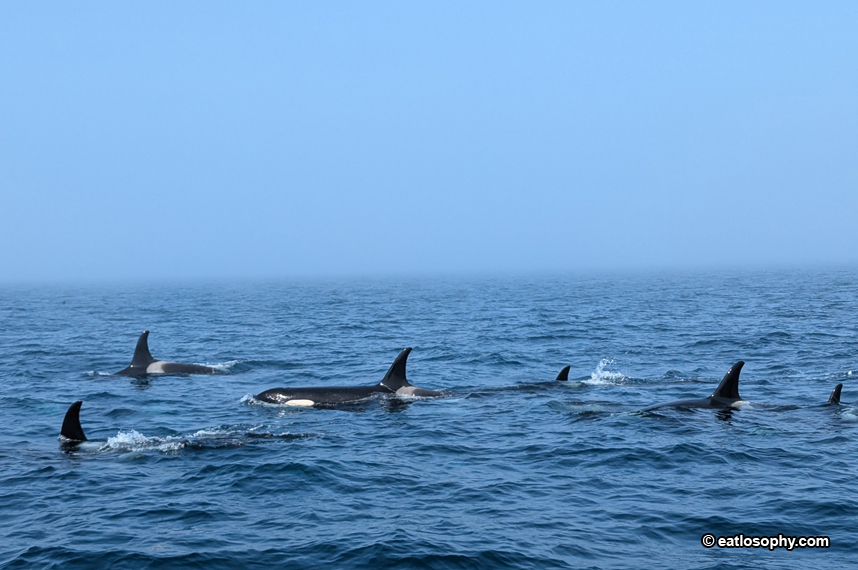
Rausu is renowned for its incredible whale watching opportunities. With its pristine waters and abundant marine life, it's no wonder this region has become a top choice for nature lovers and adventure seekers alike. The Shiretoko Nature Cruise was an unforgettable experience. Sailing through the pristine waters, surrounded by towering cliffs and lush greenery, was breathtaking. Spotting whales and seabirds up close was truly magical. The knowledgeable crew added to the adventure, sharing fascinating insights about the local ecosystem.
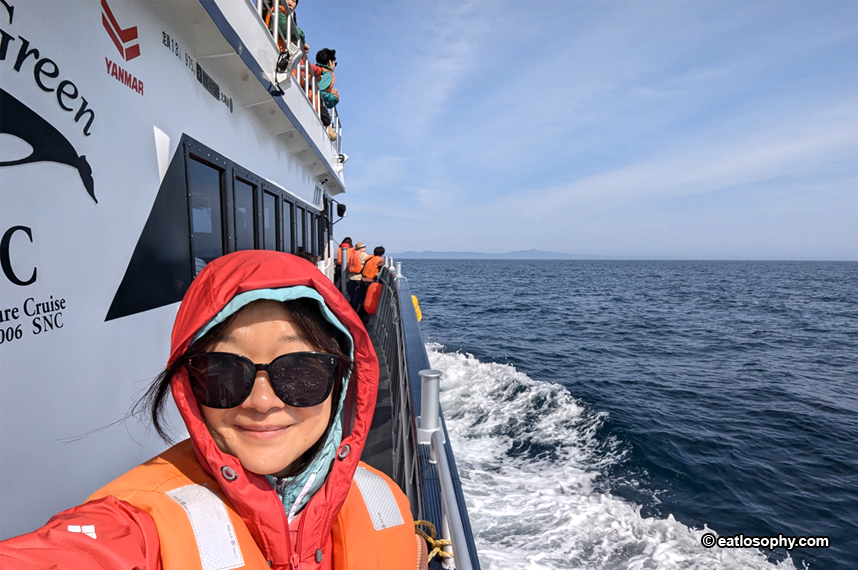
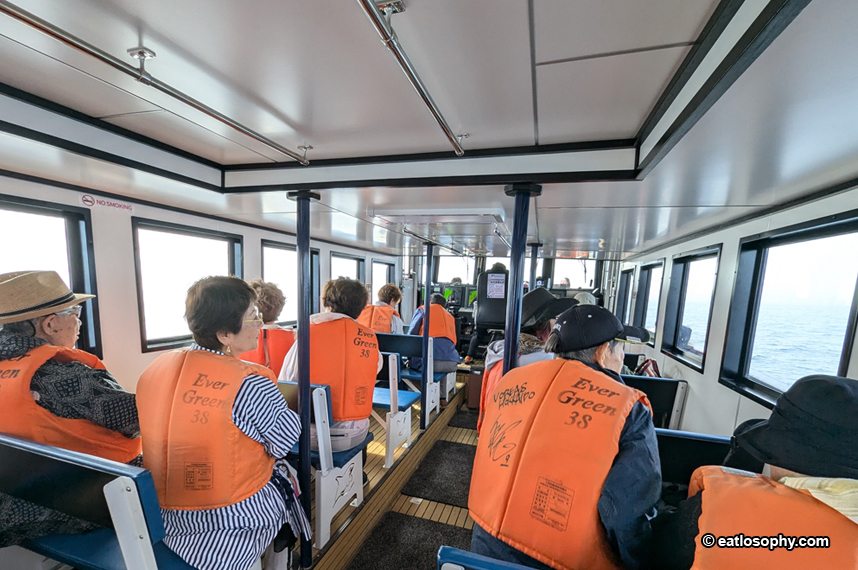
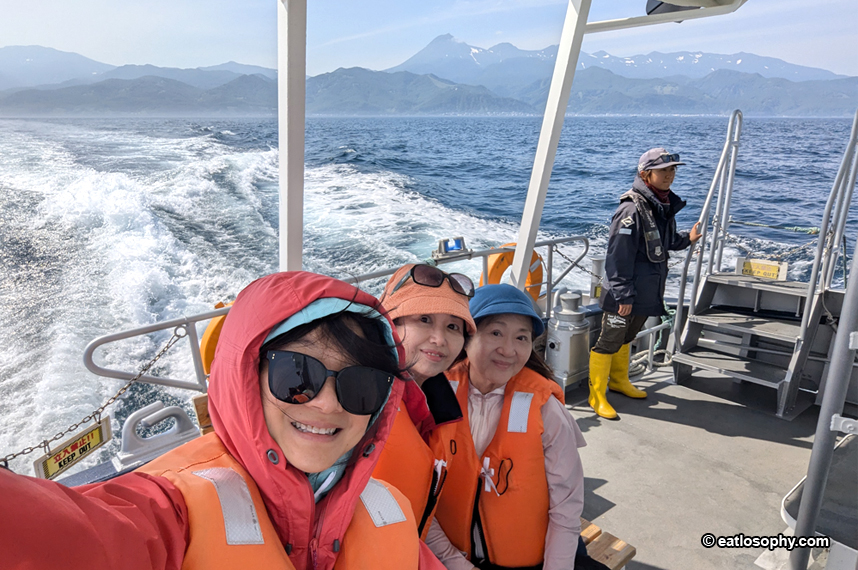
Imagine the exhilaration of watching killer whales breach the surface, their tails creating spectacular splashes. Or the awe-inspiring sight of a pod of orcas working together in perfect synchronicity to hunt for prey. Rausu's unique geographical location and rich ecosystem provide ideal conditions for whale watching, ensuring unforgettable encounters for visitors of all ages.
Witness the Power: Killer Whale Watching
Shiretoko Shyokudou: A Taste of the Sea
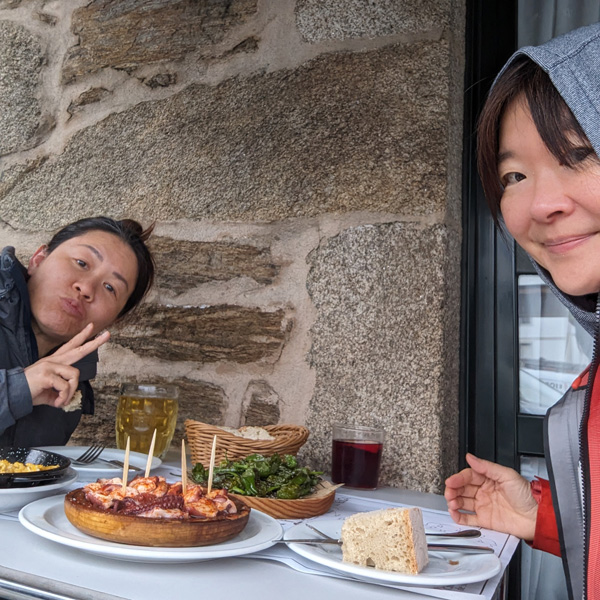
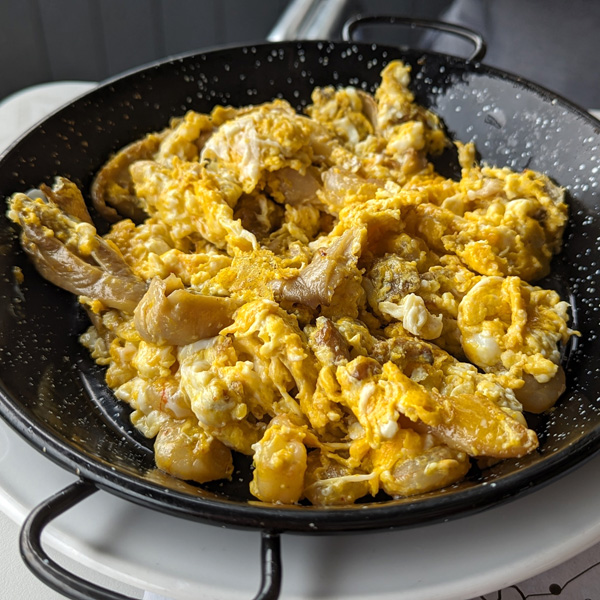
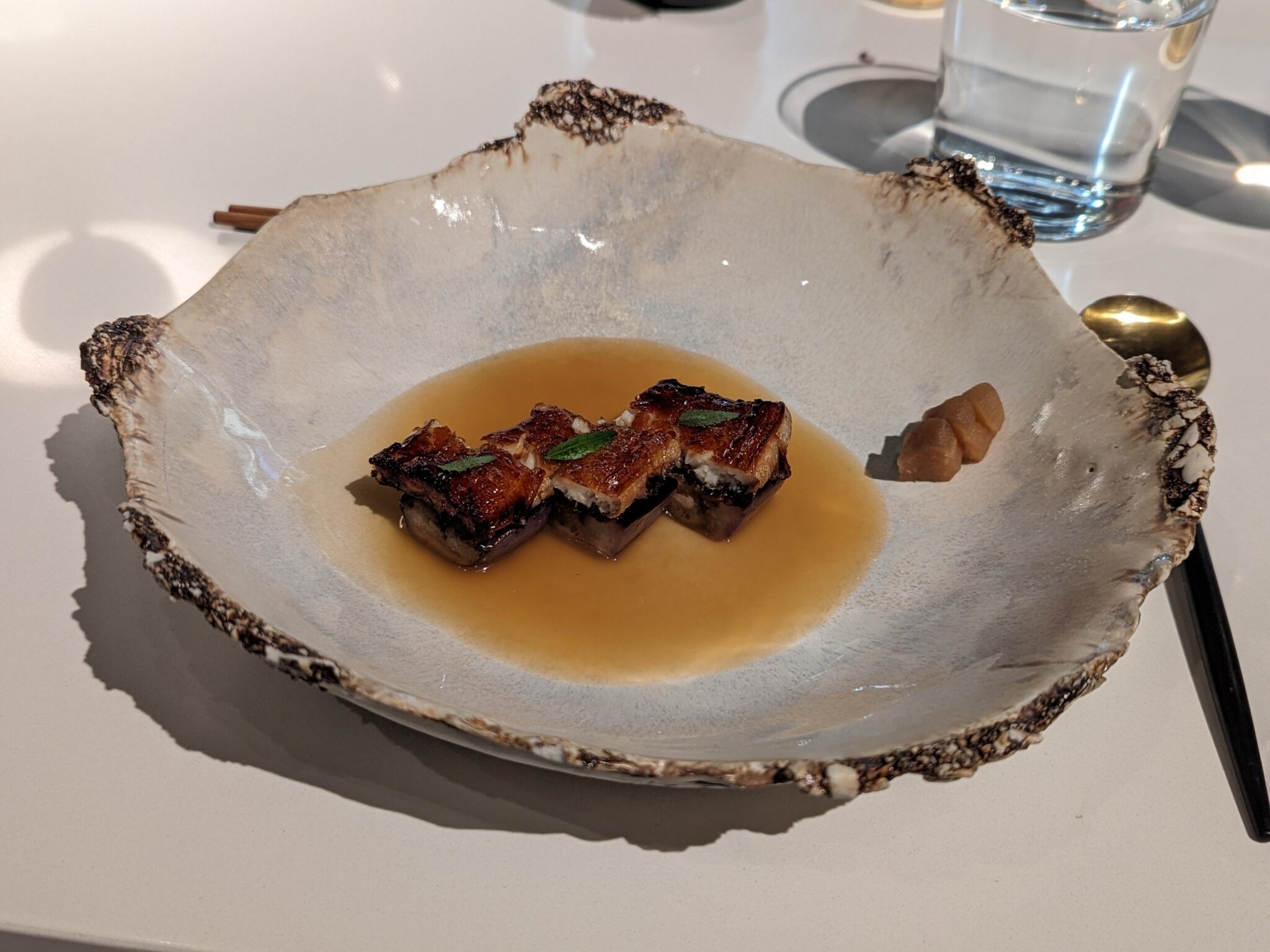
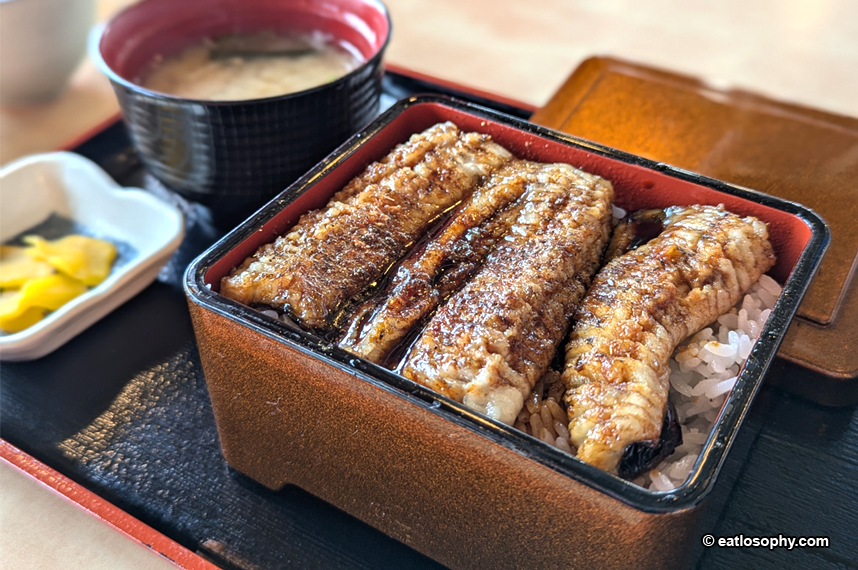
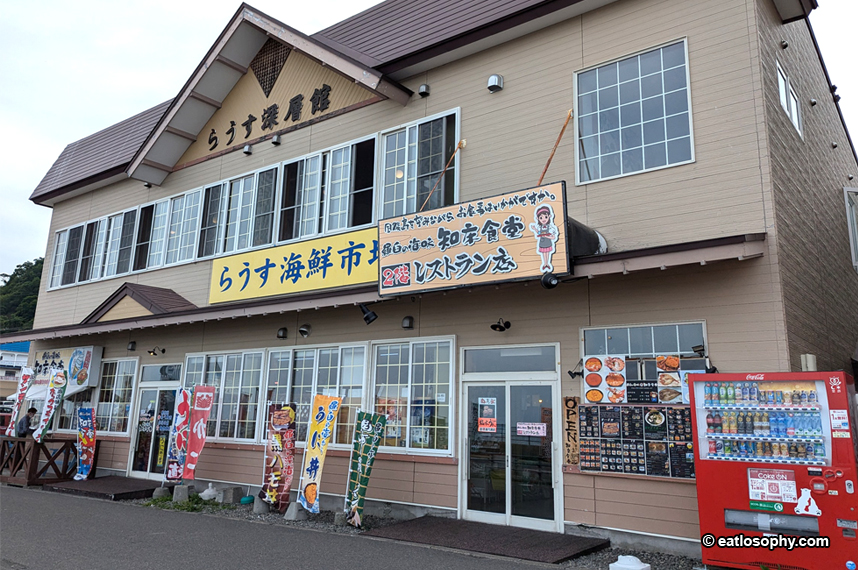
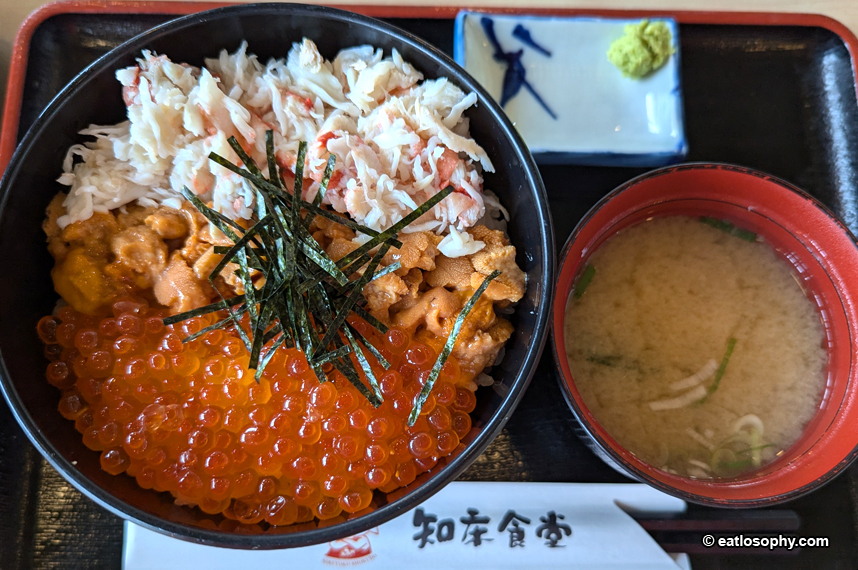
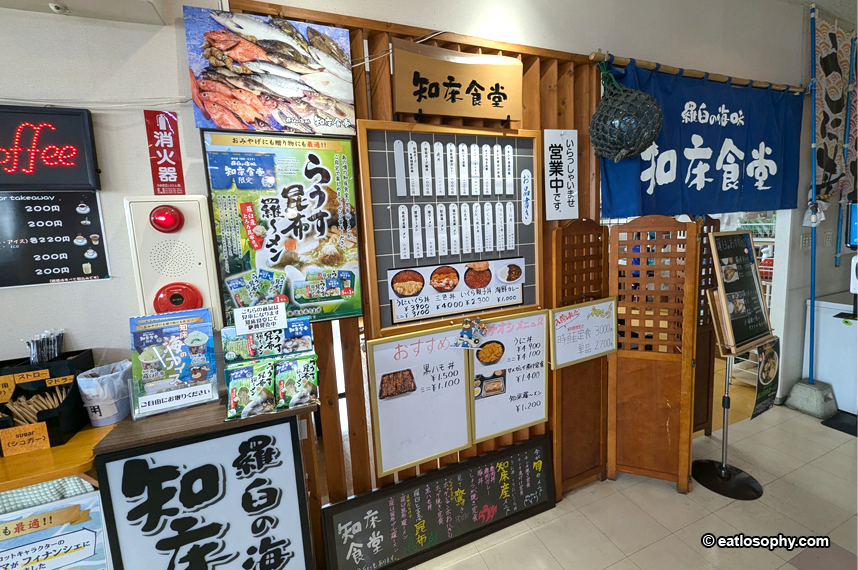
Shiretoko Shokudou (知床食堂) is a beloved local eatery where you can savor the freshest seafood. While enjoying the magnificent view of the Shiretoko mountain range, you can indulge in a variety of dishes made with fresh seafood caught locally. The seafood bowl is particular is a must-try, as it is generously topped with the freshest seafood caught that morning. We also tried the "Kurohamo don" rice bowl (黒ハモ丼) which is a type of conger eel. Ordering the kurohamo don for the first time was a treat. The fillets were surprisingly large and substantial. Prepared in the classic kabayaki style, the fish is flattened, seasoned, grilled to a rich caramel brown, and boasts a tender, melt-in-your-mouth texture.
Rausu left an indelible mark on my heart
Witnessing whales in their natural habitat was a dream come true. The thrill of spotting a breaching humpback is an experience I’ll cherish forever. Beyond the whale watching, Rausu offers a taste of authentic Hokkaido life. From indulging in the freshest seafood to savoring the world-famous local seaweed, my taste buds were in paradise. The charming village of Rausu provided a cozy retreat after each day’s adventure. This coastal haven is a must-visit for anyone seeking a truly unforgettable experience.